

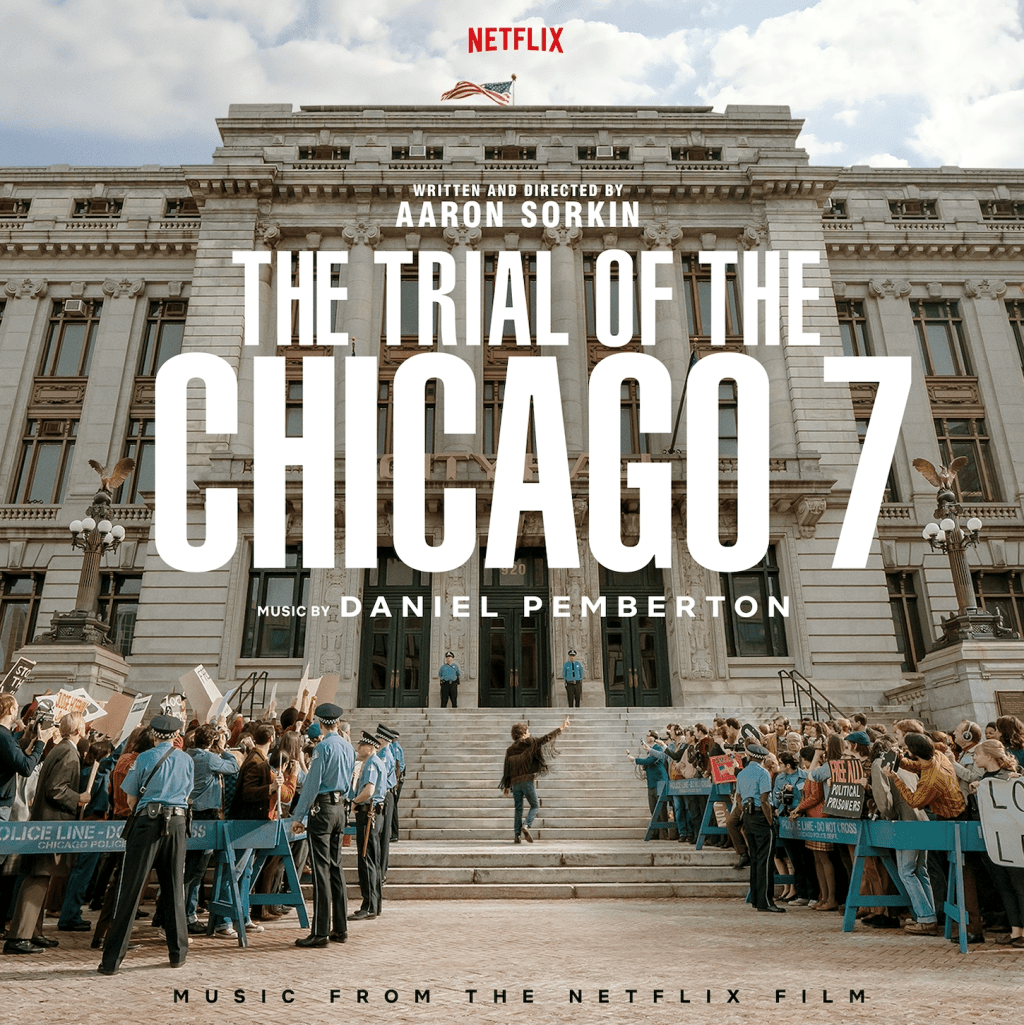
“We’re not going to jail because of what we did. We’re going to jail because of who we are!” The quote establishes the essence of a revolution that leaves its mark on the film that gives a new meaning to social protests and law. 7 lives, all linked to one case, the infamous trial of the Chicago protests in the year 1968-69.
Summary
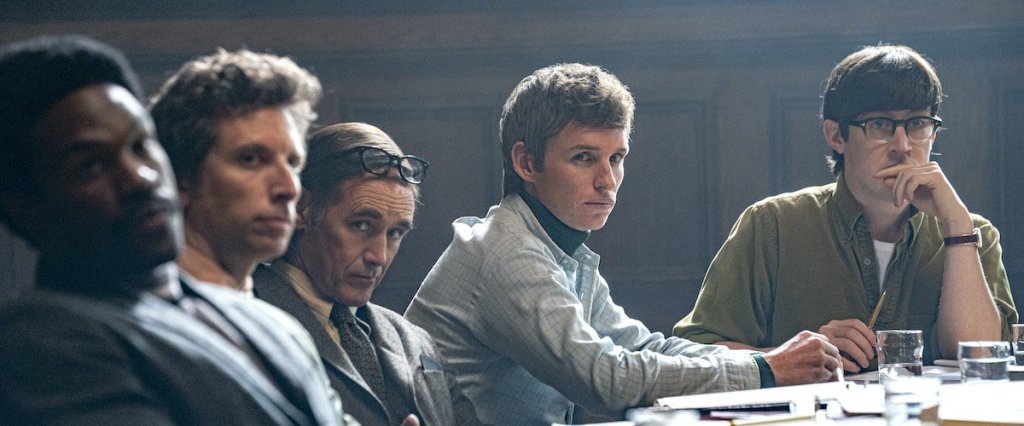
The 2020 film is directed by Aaron Sorkin and stars a stellar cast including Sacha Baron Cohen (Abbie Hoffman), Eddie Redmayne (Tom Hayden), Mark Rylance (William Kunstler), and Joseph Gordon-Levitt (Richard Schultz) in lead roles. While everyone is gearing up for the Democratic National Convention to be held in Chicago, the “revolutionaries” of America are up to protest against the strategies of the government, especially of what happened during the Vietnam war. The war resulted in a barrage of martyrs and the agitation would no longer hold up within the independent Americans. The peaceful protests at the convention turn violent when the protesters clash with the Chicago Police and the National Guard. 7 suspects, namely Abbie Hoffman, Tom Hayden, Jerry Rubin, Bobby Seale, David Dellinger, Rennie Davis, and Lee Weiner are held up for one of the most infamous trials in American history. The courtroom drama unfolds the mystery of what happened and how the proceedings were conducted.
The Plot
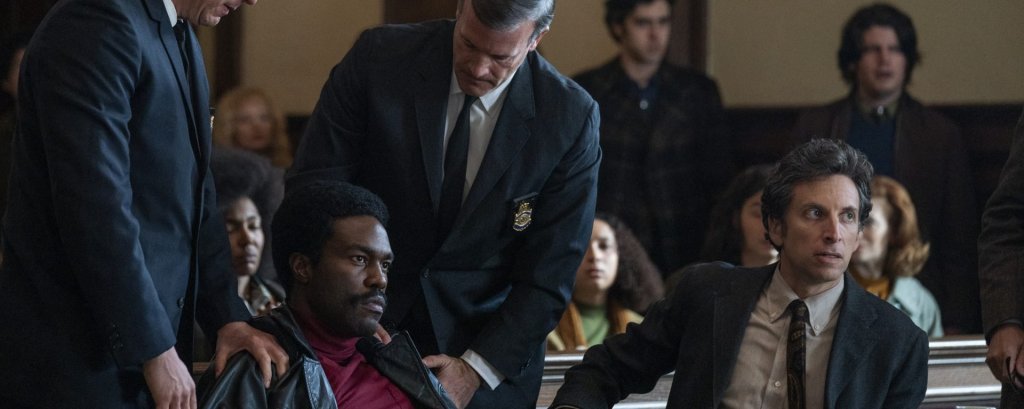
The film starts with Abbie Hoffman a.k.a Sacha Baron Cohen addressing the audience at a stand-up event. His take on the entire incident holds a sarcastic tone, which we expect from his style of films anyway! He narrates the purpose of the protest and the motive to carry it out at the Democratic National Convention. There are two ideologies depicted in this film, which showcase the motivation for bringing about a change. Revolution is not a destination with a single road, there are multiple paths to reach it. While Abbie and Jerry believe in being blatant and radical in their approach, the likes of Tom Hayden believes in the constitution and systemic change. There’s an angle of white supremacy depicted in the case of discrimination against Bobby Seale, who is a prime suspect in the trial and is “without a lawyer”. The judge, Julius Hoffman (played by Frank Langella) is perhaps the most controversial character during the entire trial. So, what happens to the 7 suspects? Did they steer the clash with the forces? If you know the story, you’ll probably know, but if you don’t, read about it before watching the film.
Technical aspects
The screenplay of the film is written by Aaron Sorkin and as far as the narrative and references to the actual incident are concerned, he has done his research thoroughly. Let’s get a little trivia before moving forward. Sacha Baron Cohen was admittedly “terrified” to play a character with an American accent. He had done stage shows with the accent earlier, but this was the first time he played an entire character with the accent.
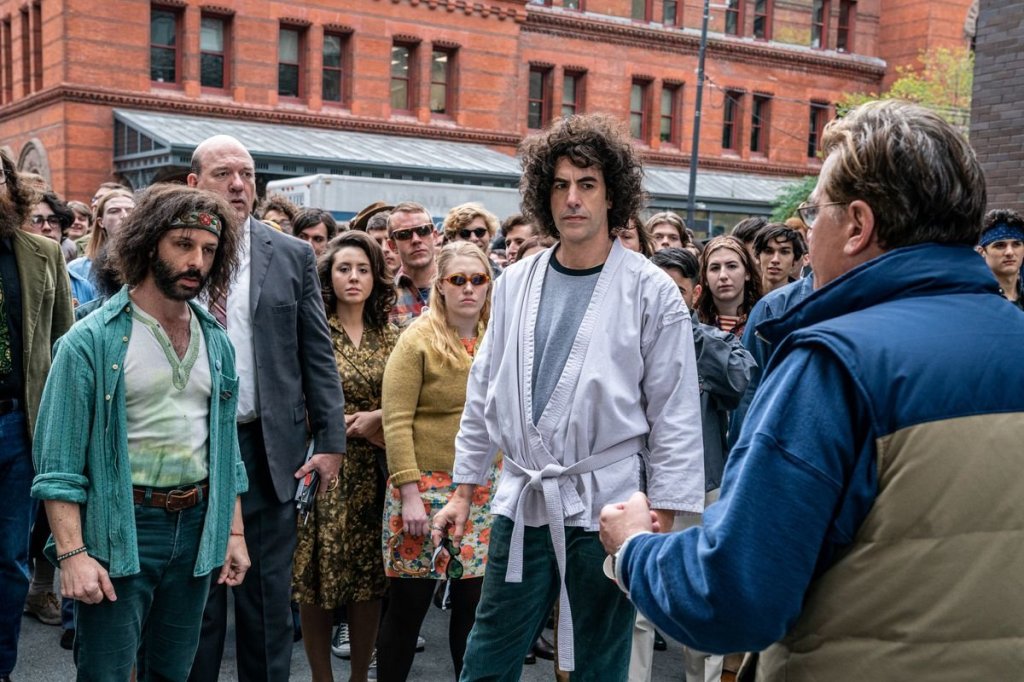
Moving forward, the cinematography by Phedon Papamichael is elegant and beautifully captures the essence of the riots, the streets of Chicago, and Washington in the late ’60s. The costumes and set design are accurate with references to old classics intermittently. When you watch a courtroom drama, the narrative is dialogue-heavy and in this case, we have a combination of sensitive and audacious dialogues. The editing of the film is done by Adam Baumgarten. It is crisp, with a free-flowing transition between the present day and the actual incident. One of the best things about the film is the music, and well, it is reminiscent of the 60s American classics. Kudos to Daniel Pemberton for a tremendous job!
Performances
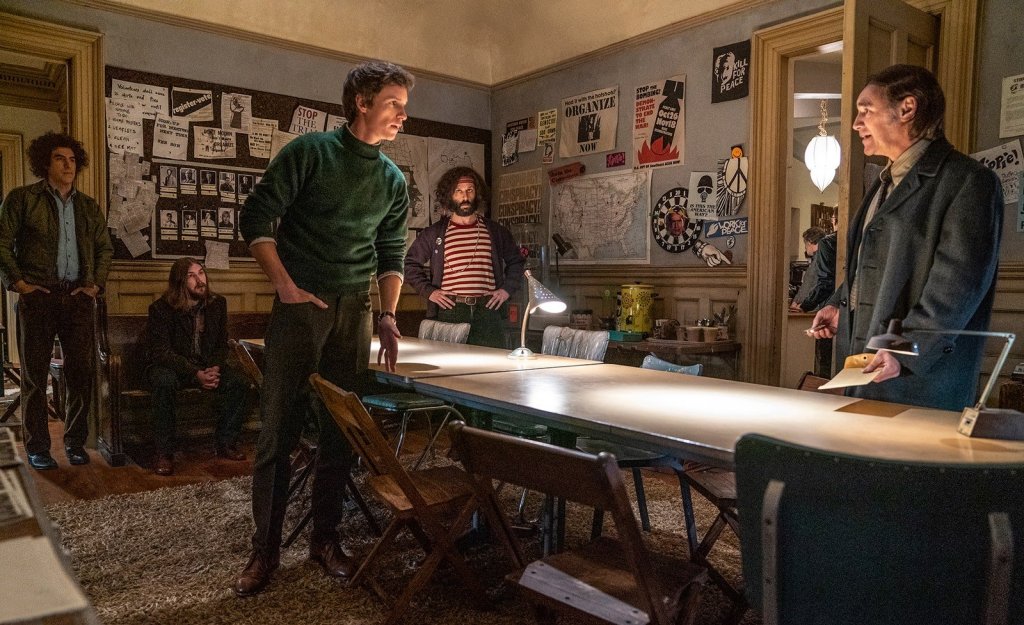
With an ensemble cast, it is difficult for every director to bring out the best from each character, lead or supporting. In this case, though, all the characters have played their part to perfection. Although there are some instances of background actors being too dramatic sometimes, it is not noticeable much. Most of the actors are seasoned and deliver to the best of their potential. Be it Sacha Baron Cohen, Michael Keaton, Joseph Gordon-Levitt, Eddie Redmayne, or Frank Langella, all of them do justice to their respective characters.
Conclusion
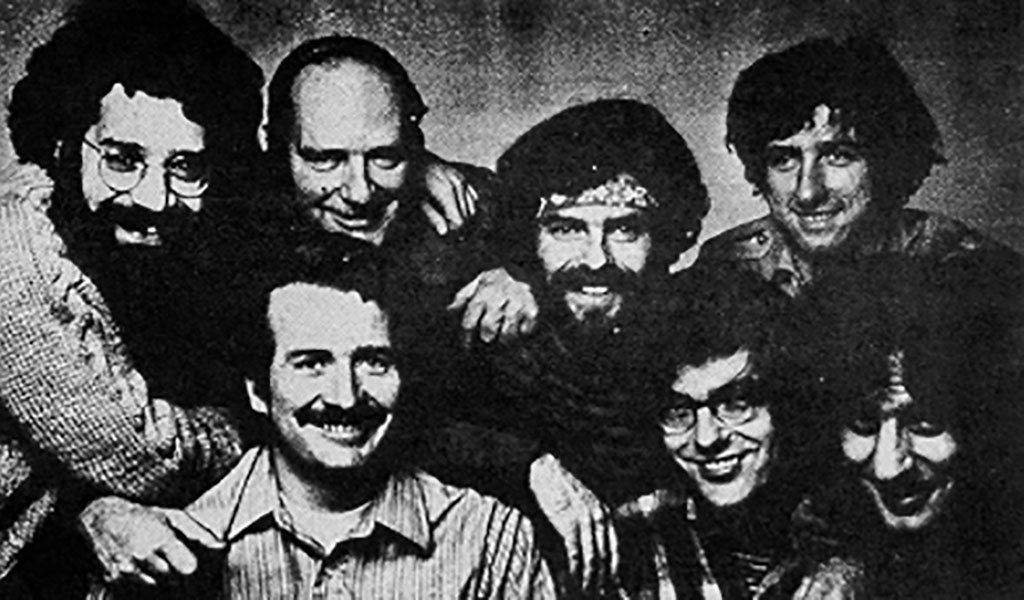
It is a challenging task for a filmmaker to portray an infamous political incident in black and white. There’s always a section of people who will get offended by the choice of storytelling, but that’s what democracy is all about. Your perspective matters. We get introduced to “political trials” which not many of us would fathom know about. A trial that is neither civil nor criminal. So whether you watch the film or not, try to know about the actual events and gather your thoughts around it. “We’ve dealt with jury tampering, wiretapping, a defendant that was gagged, and a judge who’s been handing down rulings from the bench that would be considered wrong in Honduras, so I’m a little less interested in the law than I was when this trial began.”
 Cinema Central